 Skip to content
Why a Glue-Assist Install Makes Your Hardwood Floor Last
Prevent squeaks, shifts, and board movement before they start. Discover how our glue-assist installation technique creates an unbreakable bond for quiet, rock-solid, wide-plank hardwood floors.

Project Overview
Not every hardwood install is the same. The method matters just as much as the wood itself - and one technique we rely on for extra hold and long-term stability is a glue-assist install. It's a step that a lot of people don't think about until they're already dealing with a floor that squeaks, shifts, or feels soft underfoot.
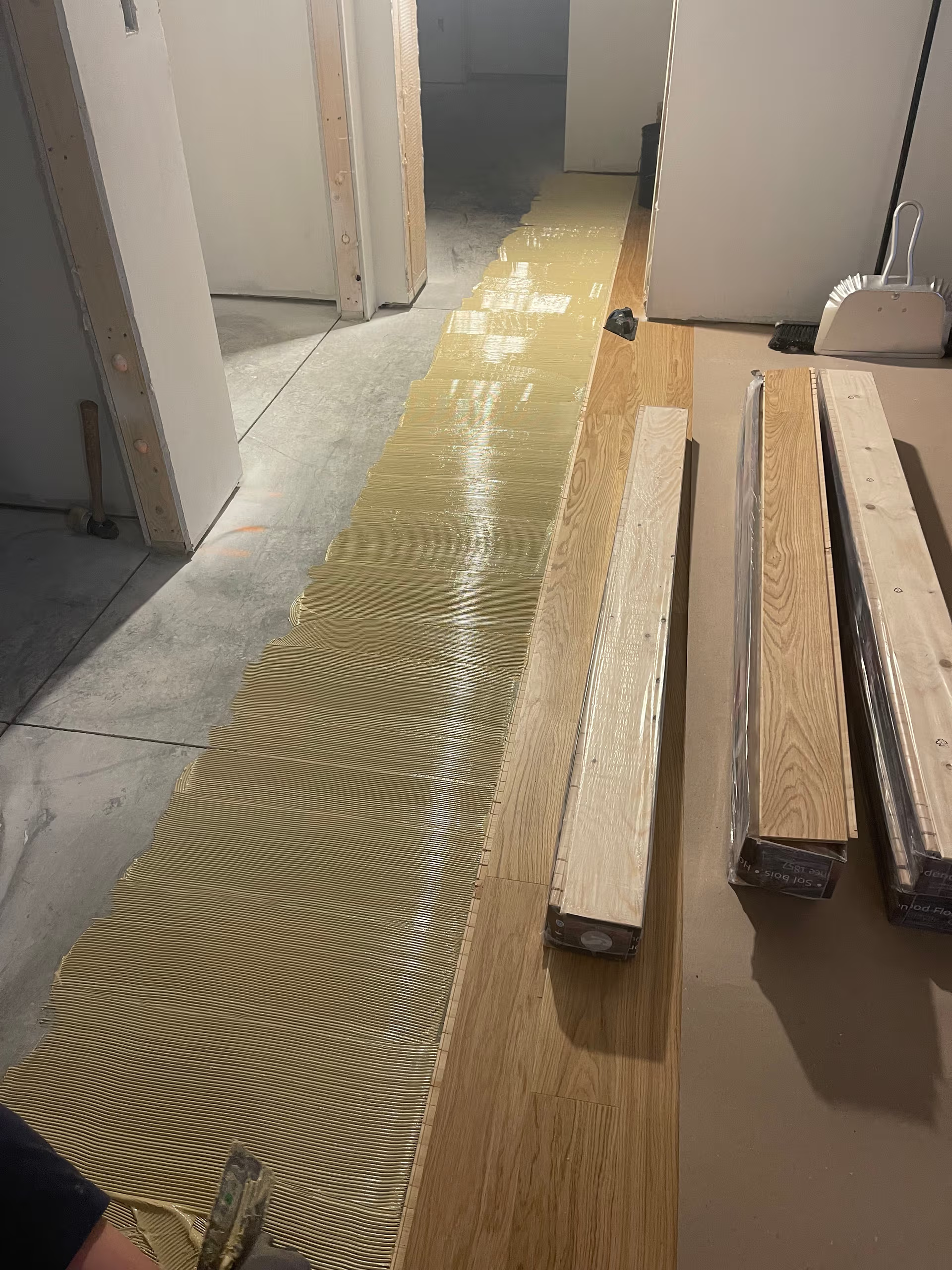
Here's how it works. We spread a full, even bed of adhesive across the subfloor before the planks go down. That glue creates a bond between the wood and the subfloor that keeps everything locked in place. No movement. No flex. Just a solid, quiet floor that holds up the way it should.
This method is especially useful in larger open spaces and new construction where the subfloor can have minor variations. The adhesive helps compensate for that and keeps each plank tight and flat. Wide-plank hardwood in particular benefits from this approach - the more surface area you're bonding, the more important it is to do it right.
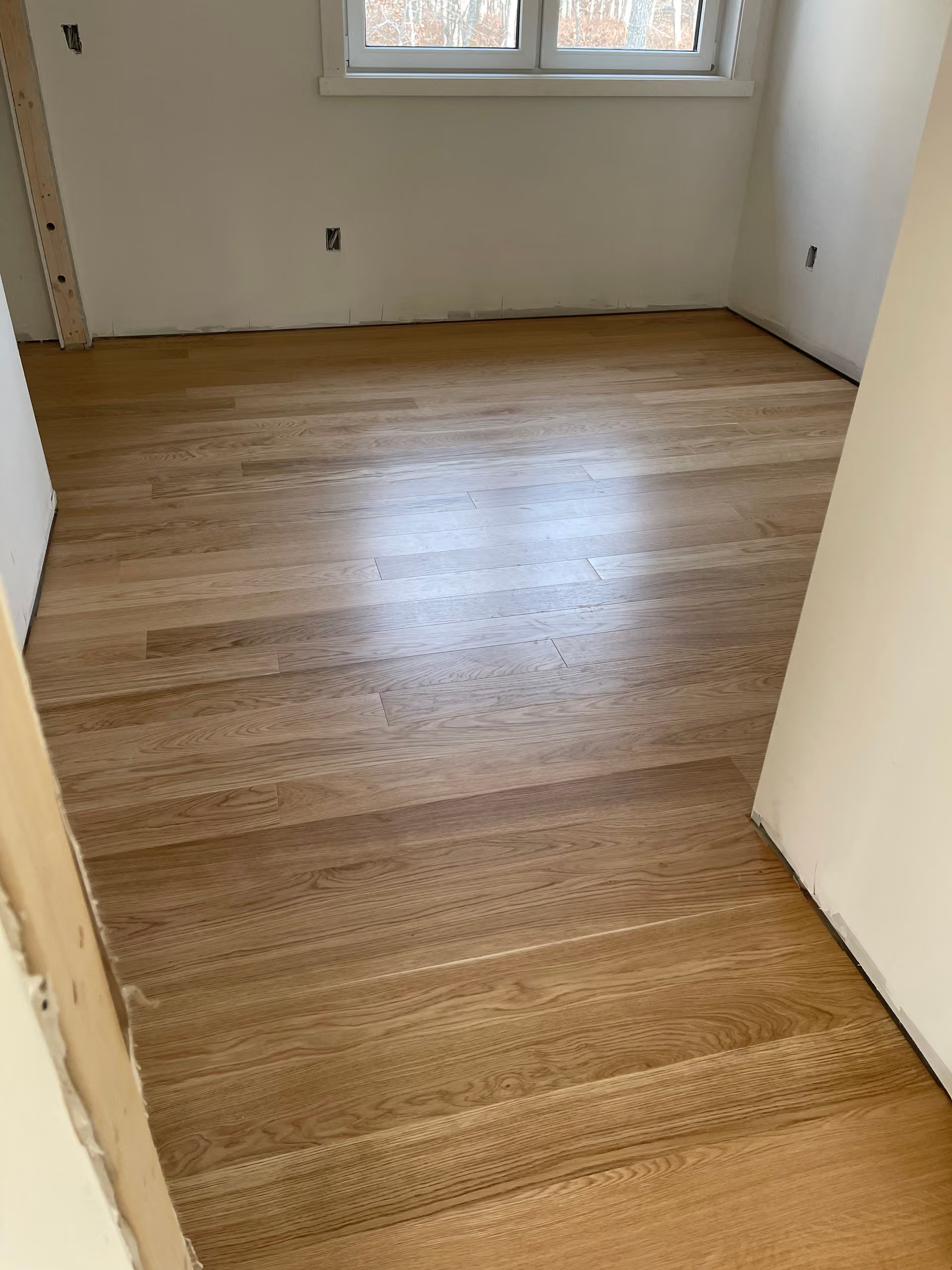
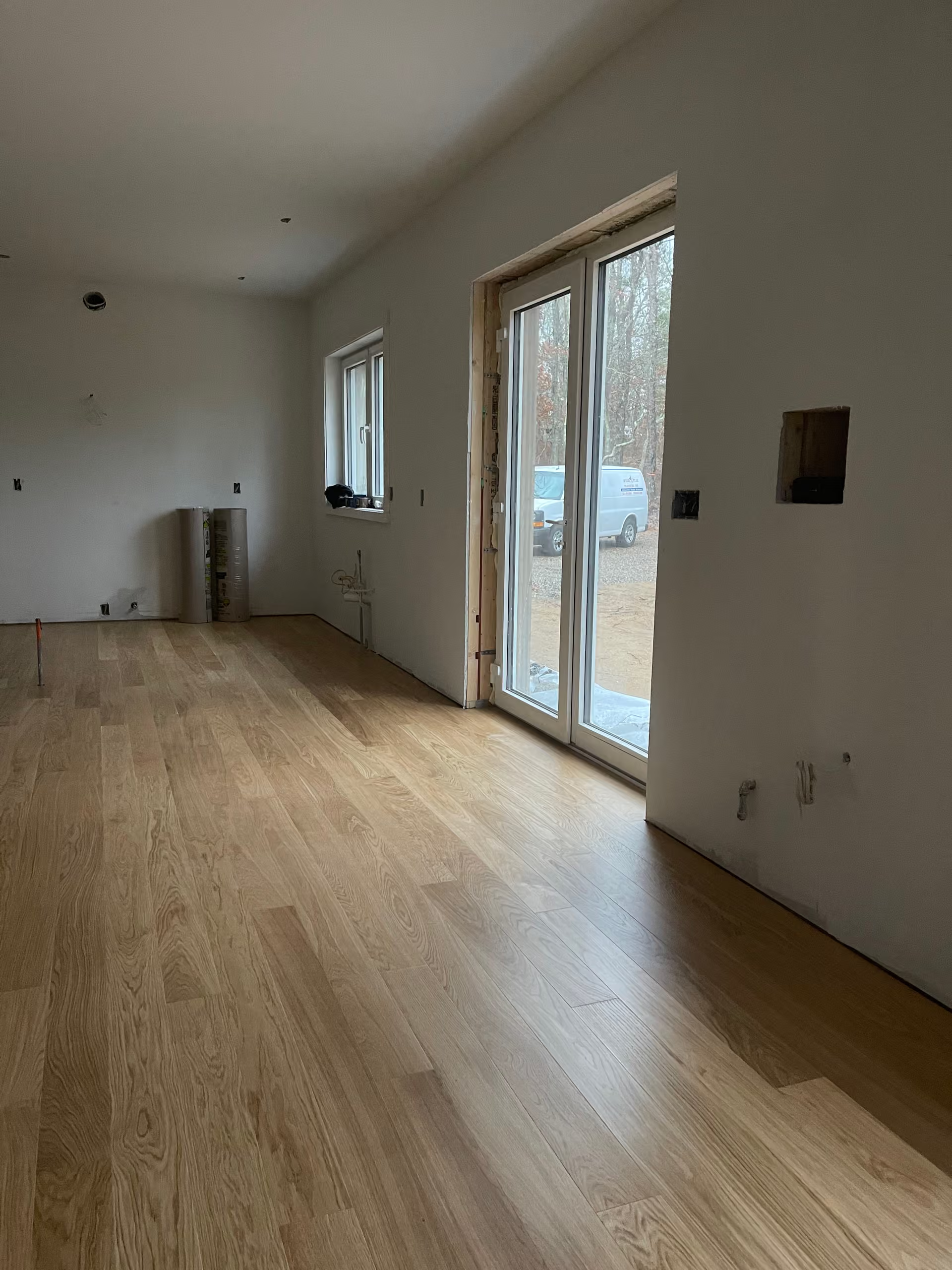
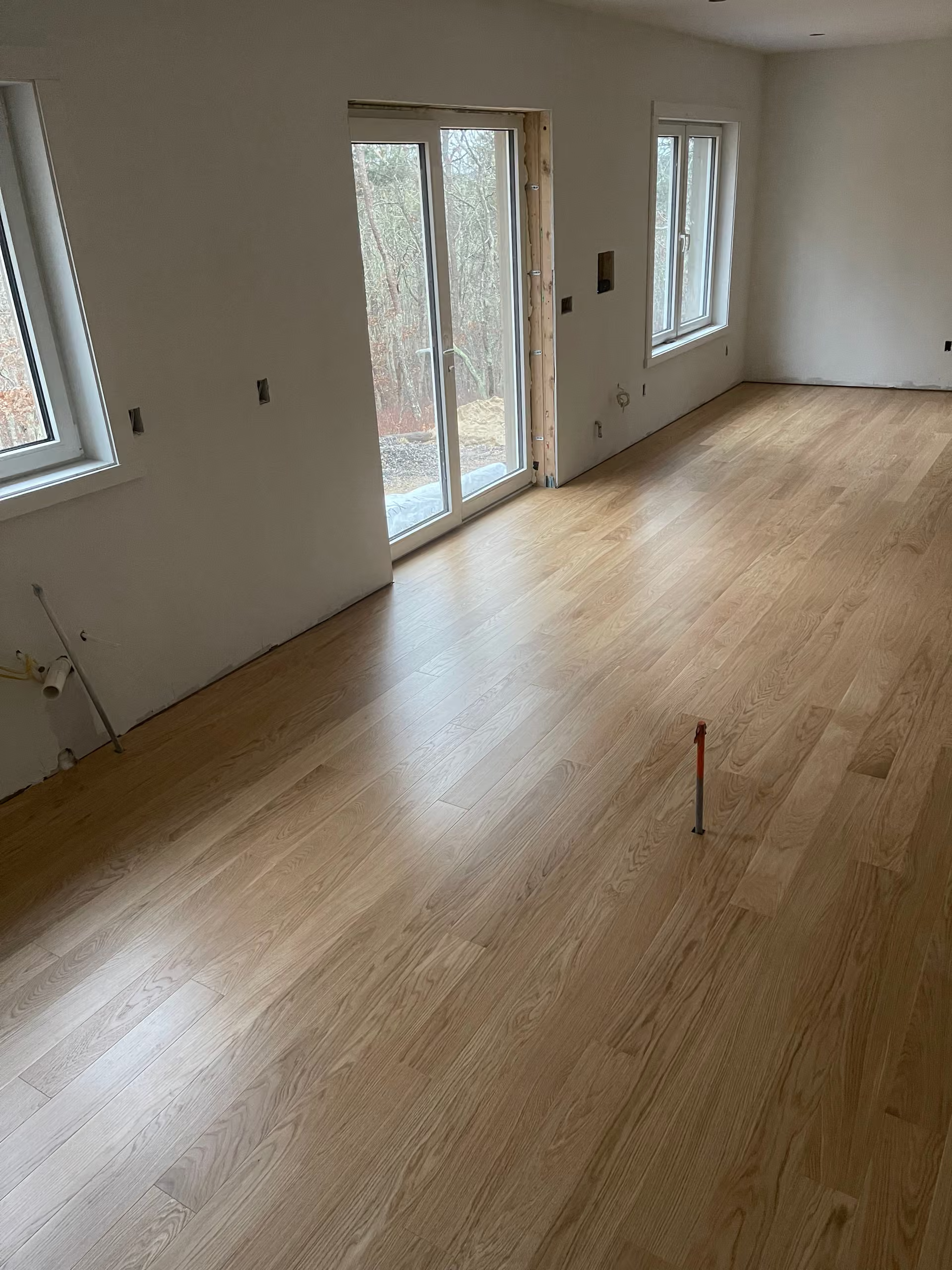
Wide-plank oak like what you see here is a great example of where the glue-assist really shines. The planks lay flat, the seams stay tight, and the finished floor has a clean, consistent look from room to room. That's not just about appearance - it's about durability over years of daily use.
When you're planning a hardwood flooring installation, it's worth having a real conversation about which install method fits your space. Glue-assist, nail-down, float - each one has its place. We're happy to walk you through what makes the most sense based on your subfloor, your wood species, and how the space will be used.
Project Details
Adhesive Bed Application
Spread a full, even layer of specialized flooring adhesive across the subfloor to eliminate minor surface variations and flex.
Wide Plank Locking
Installed wide-plank oak directly over the adhesive bed, locking every board in place to keep all seams completely tight and flat.
Noise & Movement Elimination
Created a continuous, solid bond that prevents future board shifting, squeaking, and soft spots underfoot across open areas.
Seamless & Durable Finish
Delivered a level, quiet, and highly stable hardwood floor that maintains its structural integrity through years of daily foot traffic.
Gallery
The Finished Result
The glue-assist installation resulted in an exceptionally stable, quiet, and perfectly flat wide-plank oak floor. By bonding every plank directly to the subfloor with a heavy-duty adhesive bed, we eliminated potential flex, squeaks, and gaps across the entire living space.
we eliminated potential flex, squeaks, and gaps across the entire living space.
The finished surface displays clean lines and tight seams that transition seamlessly from room to room. Beyond its refined visual appeal, this advanced technique ensures maximum structural durability, providing a rock-solid floor built to handle years of active daily life.
Related Services
Why Homeowners Choose Wood Star Flooring
Since 2018, Wood Star Flooring Inc. has focused on dependable service, detailed craftsmanship, and flooring solutions designed for the unique homes and conditions of Cape Cod and surrounding areas.
250,000+ Sq. Ft. Installed
Extensive hands-on experience with hardwood flooring installation in residential, renovation, and custom projects.
Solid & Engineered Hardwood
Installation options for different subfloors, room conditions, design preferences, and budgets.
Custom Colors & High-End Projects
Experience with custom colors, antique-inspired interiors, premium properties, and detailed finish matching.
Professional Associations
Member of the National Wood Flooring Association and the Home Builders & Remodelers Association of Cape Cod.
Detailed Estimates
Clear project evaluation and estimates provided promptly after the on-site visit.
Local Cape Cod Experience
Familiarity with coastal properties, historic homes, humidity considerations, and projects across Cape Cod, Nantucket, Martha’s Vineyard, and the South Shore.
Want a Rock-Solid, Quiet Hardwood Floor?
Tell us about your space and the result you want to achieve. Wood Star Flooring will review your project details and provide a free, no-obligation estimate.